WE ACCEPT MOST INSURANCE PROVIDERS!

WE ACCEPT MOST INSURANCE PROVIDERS!
Not every chest pain means you're having a heart attack, but figuring out which ones to worry about isn't always obvious. The sensation can come from your heart, your lungs, your muscles, your digestive system, or even stress and anxiety. At Capitol Cardiology Associates, we help patients sort through the confusion and determine whether their symptoms need immediate attention or further testing. Some warning signs demand a trip to the emergency room, while others point to conditions that are uncomfortable but not dangerous. We're walking you through the key differences so you'll have a better sense of when to act fast and when to schedule an appointment.

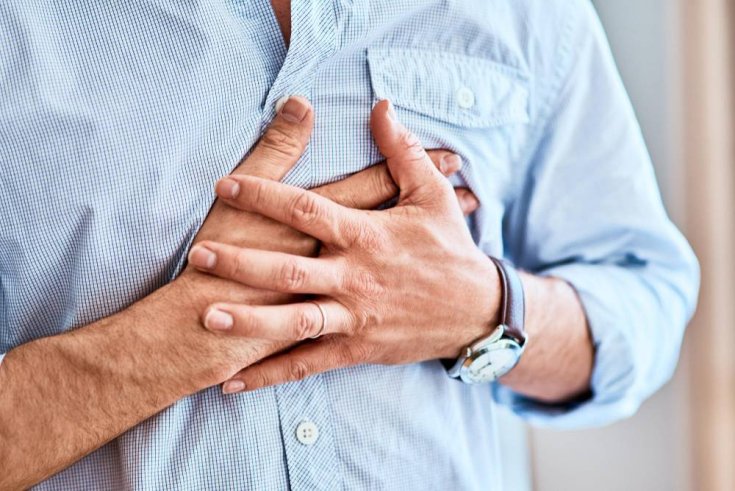
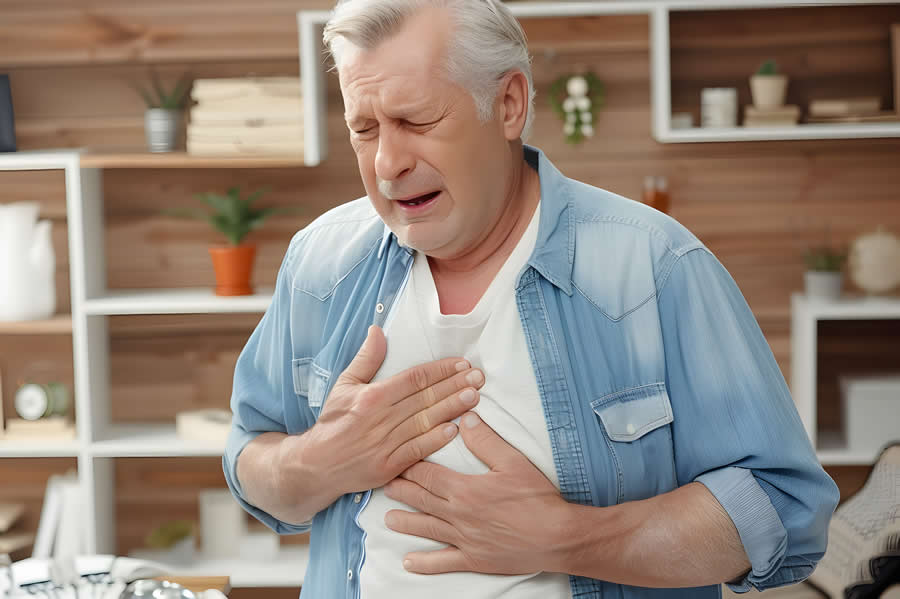
A heart attack happens when blood flow to part of the heart muscle gets blocked, usually by a clot in a coronary artery. The classic presentation involves pressure, squeezing, or heaviness in the center of the chest that lasts more than a few minutes. The sensation may radiate to the left arm, neck, jaw, or back. Many people describe it as an elephant sitting on their chest or a tight band wrapped around their torso. Sweating, nausea, and shortness of breath typically accompany the chest discomfort. The pain doesn't change when you move, breathe deeply, or press on your chest. It persists regardless of position. Some patients report a sense of impending doom or extreme fatigue in the hours or days before the event. The symptoms may come on during physical exertion or emotional stress, but they can also strike while you're resting or asleep. Unlike a pulled muscle or heartburn, cardiac chest pain won't improve with antacids, stretching, or a change in posture. The discomfort tends to build gradually rather than hit all at once. If you experience these symptoms together, call 911 immediately. Time matters because every minute without treatment causes more heart tissue to die.
Your chest contains multiple organs and structures that can produce discomfort. Gastroesophageal reflux disease, or GERD, causes burning pain behind the breastbone when stomach acid backs up into the esophagus. Pain worsens after meals, when lying down, or when bending over. Antacids usually provide relief within minutes. Musculoskeletal issues account for a significant percentage of chest pain cases. Costochondritis, an inflammation of the cartilage connecting the ribs to the breastbone, creates sharp pain that intensifies when you press on the affected area or twist your torso. A pulled muscle in the chest wall produces similar localized tenderness. Anxiety and panic attacks trigger chest tightness, rapid heartbeat, tingling in the hands, and hyperventilation. These episodes peak within ten minutes and resolve on their own. Lung conditions like pneumonia, pleurisy, and pulmonary embolism also cause chest pain, though they typically include coughing, fever, or sudden shortness of breath. Shingles can produce burning chest pain before the telltale rash appears. Gallbladder attacks create pain in the upper right abdomen that radiates to the chest and right shoulder blade, especially after eating fatty foods. Your heart doctor can help distinguish between these various causes through a thorough evaluation.
Certain combinations of symptoms warrant a 911 call, not a drive to the hospital. Chest pressure or pain lasting more than five minutes requires emergency evaluation. The same applies if the discomfort spreads to your arm, shoulder, neck, jaw, or back. Sudden shortness of breath, especially if it occurs with chest discomfort, signals a potential cardiac event. Cold sweats, nausea, vomiting, and lightheadedness alongside chest symptoms also indicate an emergency. A heart attack isn't the only condition that demands immediate care. Aortic dissection, a tear in the major artery leaving the heart, produces sudden, severe, ripping pain in the chest or back. Pulmonary embolism, which is a blood clot in the lungs, causes sharp chest pain that worsens with breathing, along with a rapid heart rate and coughing up blood. Tension pneumothorax, a collapsed lung, creates sudden, sharp pain on one side of the chest with difficulty breathing. Don't wait to see if symptoms improve. Don't convince yourself it's just indigestion. Paramedics can begin treatment in the ambulance and alert the hospital to prepare for your arrival. Driving yourself or having someone else drive wastes precious minutes and puts you at risk if your condition deteriorates en route.
The diagnostic process starts with your history. A cardiologist in Laurel, MD will ask about the location, quality, duration, and triggers of your pain. They'll want to know what makes it better or worse and whether you've experienced similar episodes before. Your personal and family medical history provides context. Risk factors like diabetes, high blood pressure, high cholesterol, smoking, obesity, and a family history of heart disease increase the likelihood that chest pain has a cardiac origin. The physical exam checks your blood pressure, heart sounds, lung sounds, and pulse in various locations. An electrocardiogram, or ECG, records the electrical activity of your heart and can reveal signs of a current or previous heart attack within minutes. Blood tests measure cardiac enzymes like troponin, which leak into the bloodstream when heart muscle cells die. Elevated troponin levels confirm heart damage. A chest X-ray shows the size and shape of your heart and lungs. If these initial tests don't provide a clear answer, additional imaging may follow. An echocardiogram uses ultrasound to visualize how your heart chambers and valves function. A stress test monitors your heart's response to exercise or medication-induced stress. Coronary angiography involves threading a catheter through a blood vessel to inject dye into your coronary arteries to reveal any blockages on X-ray. Your heart doctor uses these tools in combination to reach an accurate diagnosis and recommend appropriate treatment.

Heart disease remains the leading cause of death in the…
Chest pain gets most of the attention when people talk…
Chest pain deserves attention, but not every episode requires a trip to the emergency room. Understanding the differences between cardiac and non-cardiac causes helps you respond appropriately. When symptoms point to a heart attack or another life-threatening condition, call 911 without hesitation. When there's a less urgent problem, schedule an appointment with a cardiologist for evaluation and testing. At Capitol Cardiology Associates, our team specializes in diagnosing and treating the full range of cardiovascular conditions. We use advanced imaging, comprehensive testing, and decades of combined experience to identify the source of your symptoms and develop a personalized treatment plan. Contact our office today to schedule a consultation.