WE ACCEPT MOST INSURANCE PROVIDERS!

WE ACCEPT MOST INSURANCE PROVIDERS!
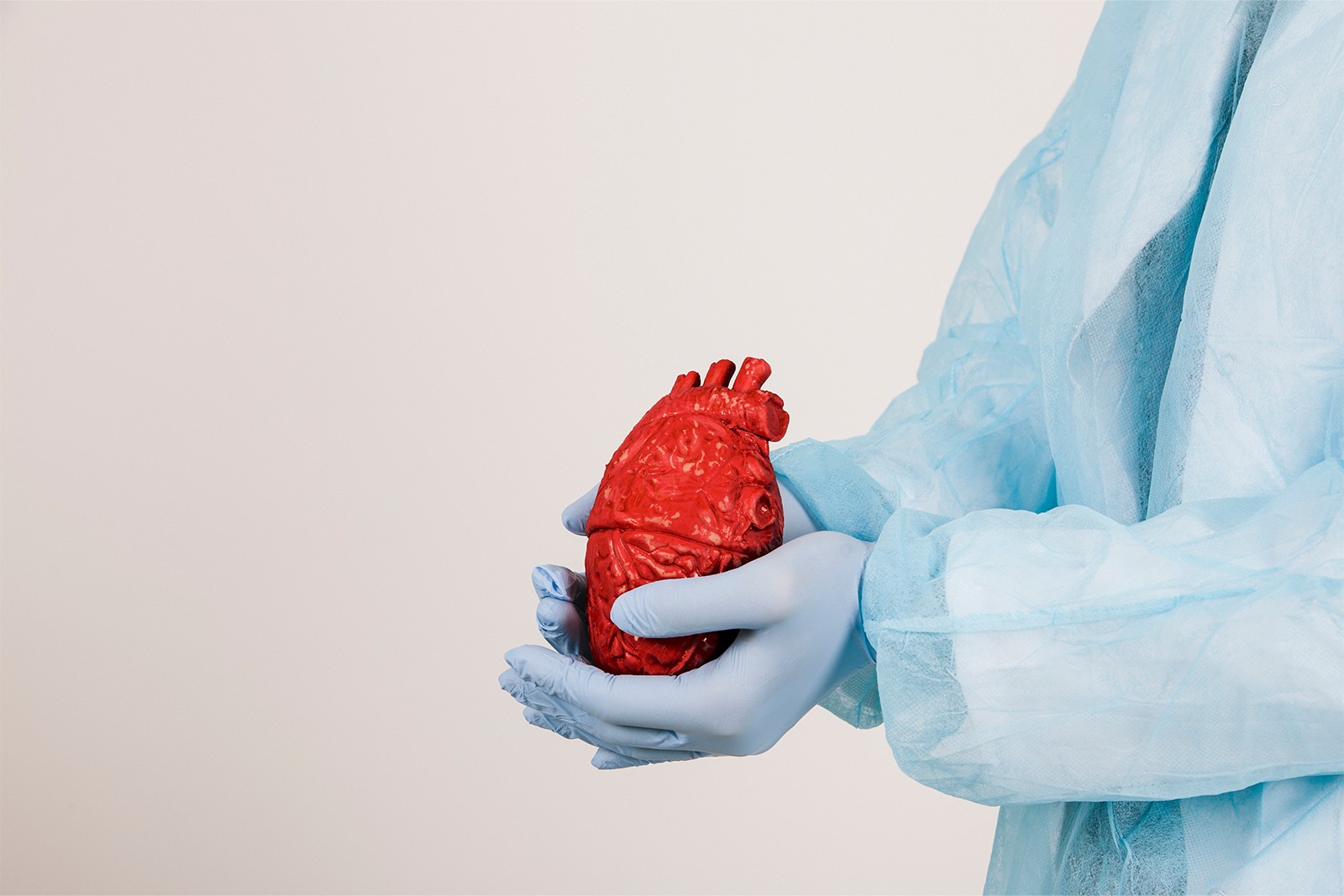
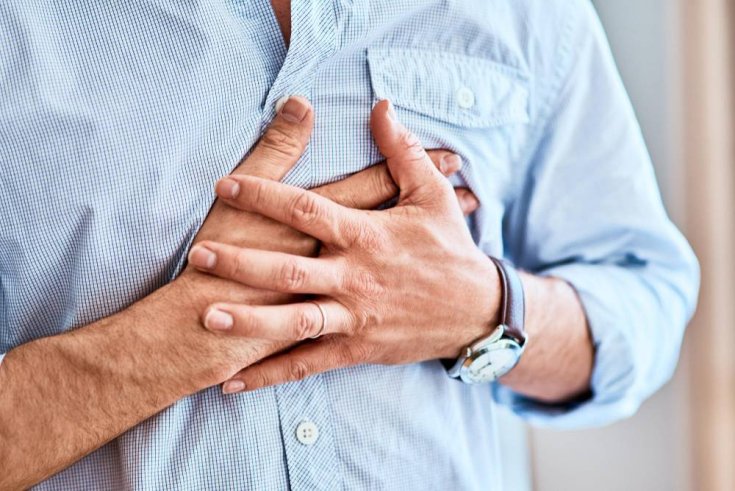
Feeling your heart flutter, pound, or skip a beat is unsettling, no matter how many times it happens. For most people, the first instinct is to wonder if it's serious, and the honest answer is that it depends entirely on what's behind it. At Capitol Cardiology Associates, heart palpitations are something we evaluate a lot, and the difference between a benign episode and something that warrants immediate attention isn't always obvious. Keep reading, and we'll break down what's happening when you feel that sensation, what usually causes it, and the specific signs that mean it's time to get checked out.

Your heart beats around 100,000 times a day through a precisely timed electrical system. A palpitation occurs when that timing gets disrupted. Either a beat fires too early, too late, or with unusual force. The result is a sudden awareness of your own heartbeat, which most people never notice under normal circumstances.
Premature contractions are the most common culprit. The heart produces an early beat, then pauses slightly to reset, and the next beat is harder than usual. That's the "thud" or "skip" sensation that most people describe.
Most isolated palpitations resolve within seconds and leave no lasting effect on heart function. The sensation can occur in the chest, throat, or neck, and the physical experience varies widely from person to person. What matters clinically is the pattern, the duration, and what accompanies it.
The majority of palpitations have nothing to do with structural heart disease. Stimulants are responsible for a large share of cases. Caffeine, nicotine, and certain decongestants increase the heart's electrical activity and can provoke extra beats in otherwise healthy people.

Heart disease remains the leading cause of death in the…
Chest pain gets most of the attention when people talk…
Dehydration and electrolyte imbalances are also frequent triggers. Sodium, potassium, and magnesium all regulate how cardiac cells fire. When those levels drop, the electrical system becomes less stable. Athletes and people who are vomiting or have diarrhea are vulnerable to this.
Thyroid dysfunction can also cause this. An overactive thyroid floods the body with hormones that accelerate the heart rate and increase the likelihood of irregular beats. Anemia, low blood sugar, and certain medications like asthma inhalers and ADHD treatments produce similar effects. Identifying and correcting the underlying trigger usually resolves the palpitations without any cardiac intervention.
Some palpitations do originate in the heart itself. Arrhythmias are the most direct cause. Atrial fibrillation, supraventricular tachycardia, and ventricular ectopy all produce palpitations as a primary symptom. These conditions vary dramatically in how dangerous they are, but none should be self-diagnosed or dismissed.
Atrial fibrillation is worth naming specifically because it's the most common sustained arrhythmia in adults and carries consequences if untreated. In AFib, the upper chambers of the heart fire chaotically instead of contracting in a coordinated rhythm. Blood can pool and clot, which raises stroke risk. Palpitations that come with fatigue, shortness of breath, or lightheadedness are consistent with AFib and need evaluation by a cardiologist in Hyattsville.
Structural problems can also produce palpitations. Mitral valve prolapse, cardiomyopathy, and heart failure alter the mechanics of how blood moves through the chambers. That changes how electrical signals propagate and creates opportunities for irregular beats. A cardiologist uses imaging and monitoring to distinguish between an electrical problem and a structural one because the treatment path for each is different.
Sleep deprivation has a direct effect on cardiac electrical stability. People who consistently get less than six hours of sleep show measurably higher rates of ectopic beats and arrhythmia episodes.
Alcohol is another contributor. Even moderate consumption can trigger episodes in susceptible individuals, a phenomenon researchers have labeled "holiday heart syndrome." Binge drinking produces acute arrhythmias in people with no prior cardiac history. For anyone already experiencing palpitations, alcohol frequently increases the frequency and intensity of episodes.
High-sodium diets, excess body weight, and physical deconditioning all raise baseline heart rate and blood pressure in ways that make the electrical system more reactive. Cut back on stimulants, maintain hydration, and build consistent aerobic activity into your week. These changes won't correct an underlying arrhythmia, but they can remove some of the variables that provoke episodes.
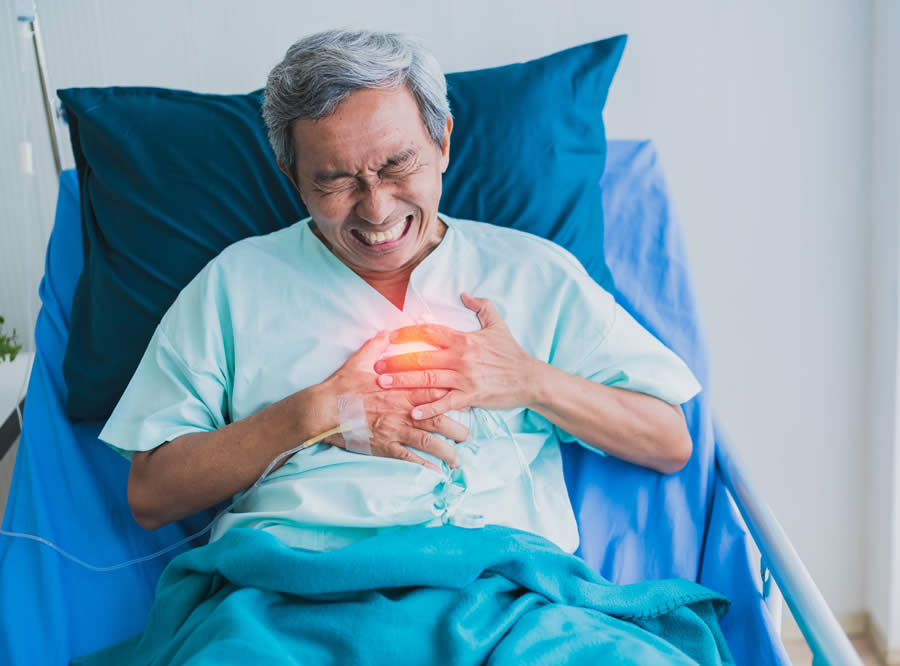
Some combinations of symptoms demand a 911 call, not a scheduled appointment. Call emergency services immediately if palpitations occur alongside:
These symptoms together suggest the heart isn't pumping effectively or that a stroke may be in progress. Waiting even a short time in these situations increases the probability of permanent damage.
Palpitations that last longer than a few minutes without resolving, or that recur multiple times in a single day, also warrant same-day contact with a heart doctor. A rapid heart rate above 150 beats per minute that doesn't slow with rest is another threshold that requires evaluation right away.
If your palpitations are recurring, accompanied by other symptoms, or leaving you uncertain, a direct evaluation is the right next step. A heart doctor can order an EKG, Holter monitor, or echocardiogram to identify exactly what's driving your episodes. The team at Capitol Cardiology Associates has the tools and experience to distinguish a benign pattern from one that needs treatment. Don't wait for symptoms to get worse; contact our office to schedule your appointment today.