WE ACCEPT MOST INSURANCE PROVIDERS!

WE ACCEPT MOST INSURANCE PROVIDERS!

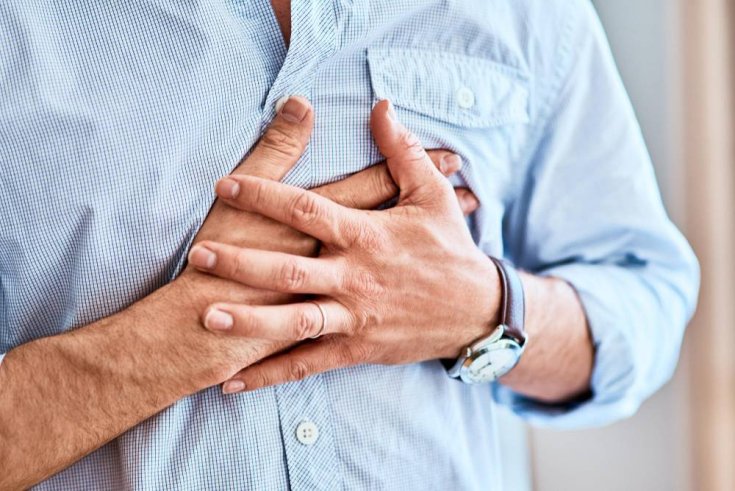
Breathlessness that shows up out of nowhere or has been quietly getting worse for months is worth taking seriously. At Capitol Cardiology Associates, we see patients who caught a warning sign early and avoided a crisis, and we see patients who waited far too long. Knowing whether your breathlessness has a cardiac cause changes what you do next and how fast you need to do it. This post will help you understand what your body might be signaling and when it's time to get checked out.

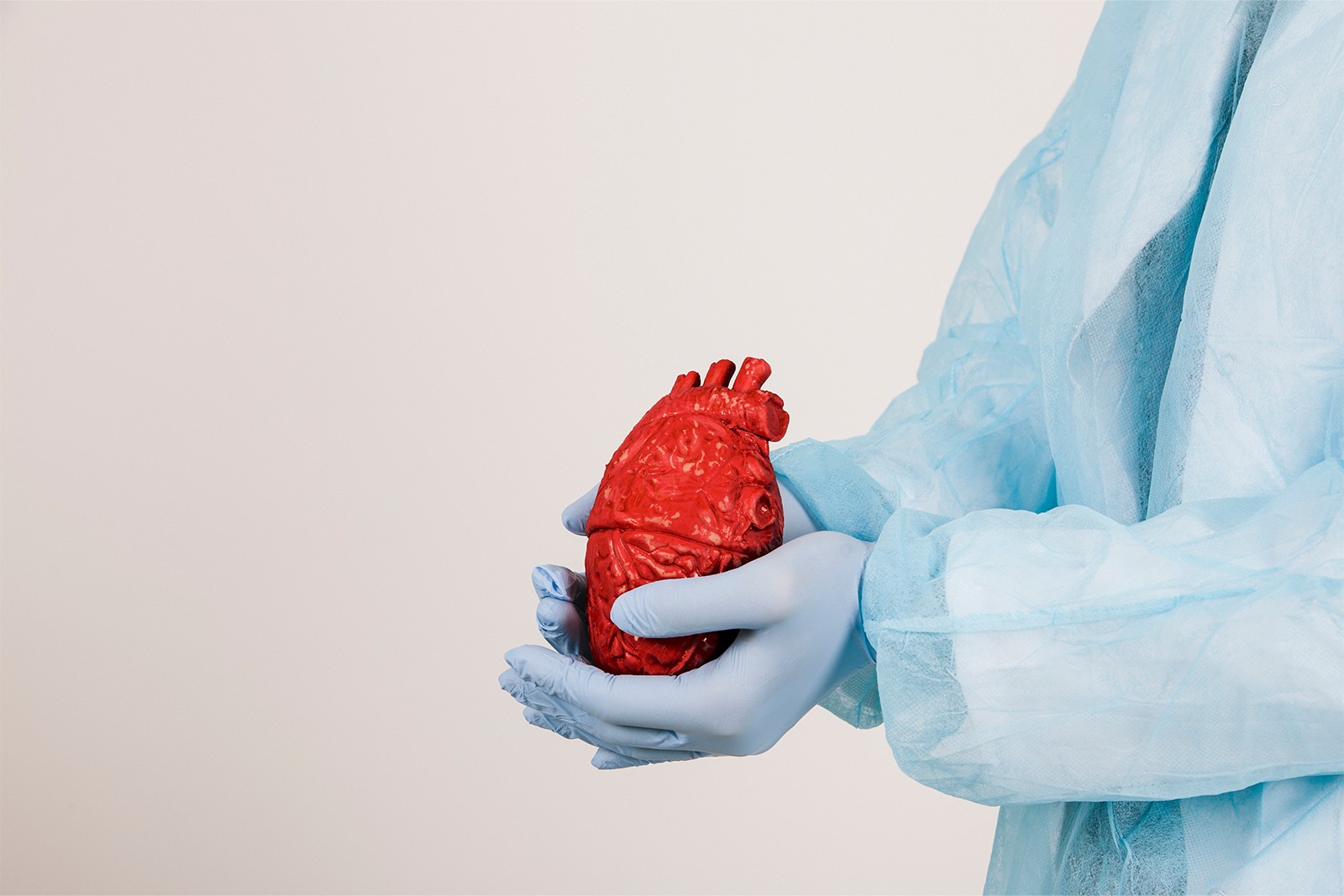
Your heart pumps blood that's full of oxygen to your muscles and organs while your lungs extract oxygen from the air you breathe. The two systems rely on each other completely. When your heart can't pump hard enough or fast enough, fluid backs up into your lungs. This makes breathing harder and limits how much oxygen reaches your bloodstream.
Heart failure doesn't mean your heart has stopped. It means the muscle has weakened and can't meet your body's demands anymore. Blood pools in the lungs instead of moving forward through your circulation. You might notice this first when climbing stairs or carrying groceries. Later, it happens when you're sitting still.
Valve problems create a similar backup. A narrowed or leaking valve forces your heart to work harder with every beat, and the extra work weakens the muscle. Breathlessness becomes the most obvious sign that something has changed.
Coronary artery disease minimizes blood flow to your heart muscle. When your heart doesn't get enough oxygen, it struggles to pump. You might notice breathlessness during physical activity or emotional stress. Some people experience this without chest pain, which makes it easy to dismiss.
Chest pain gets most of the attention when people talk…

Stress is something most people accept as a normal part…
Arrhythmias throw off your heart's rhythm and reduce pumping efficiency. Atrial fibrillation is one of the most common culprits. Your heart beats irregularly and can't fill or empty properly between beats. This creates a sensation of breathlessness even during routine tasks.
Cardiomyopathy weakens or stiffens the heart muscle itself. The chambers can't expand fully or contract with enough force. Fluid builds up in your lungs and extremities. Breathlessness gets worse when you lie flat, which is why some people sleep propped up on multiple pillows.
Asthma and chronic obstructive pulmonary disease, also called COPD, both restrict airflow in your lungs. They create wheezing, coughing, and chest tightness alongside breathlessness. A history of smoking or allergies points toward a respiratory cause rather than a cardiac one.
Anxiety and panic attacks trigger rapid, shallow breathing. Your chest tightens, and you can't catch your breath. The physical symptoms are real and frightening, but they don't indicate structural damage to your heart or lungs. A cardiologist in Riverdale, MD can rule out cardiac causes and point you toward appropriate treatment.
Anemia reduces the amount of oxygen your blood can carry. Your heart compensates by beating faster, but you still end up breathless during exertion. Simple blood work identifies this problem quickly. Deconditioning from a sedentary lifestyle also makes breathing harder during physical activity, though this improves with gradual exercise.
Sudden, severe breathlessness that comes on in minutes requires immediate evaluation. This could indicate a heart attack, pulmonary embolism, or acute heart failure. Don't wait to see if it passes.
Breathlessness combined with chest pain, sweating, nausea, or lightheadedness signals a potential cardiac emergency. Women sometimes experience breathlessness without chest pain during a heart attack. Trust your instincts and call 911. Other urgent signs include:
These symptoms indicate your heart or lungs aren't delivering enough oxygen. Minutes matter when oxygen levels drop. Emergency care can prevent permanent damage or death.
Breathlessness during moderate exercise becomes concerning when it limits activities you used to do without trouble. If walking to your mailbox now leaves you winded, something has changed. Progressive worsening over weeks or months suggests your heart isn't keeping up with demand.
Pay attention to breathlessness that happens with minimal exertion or at rest. Your heart shouldn't struggle when you're sitting in a chair or getting dressed in the morning. This pattern could point to advanced cardiac dysfunction and needs prompt evaluation by a heart doctor in Upper Marlboro, MD.
Recovery time also matters. Breathlessness that lingers for ten or fifteen minutes after you stop moving suggests your cardiovascular system is struggling to bounce back efficiently. Healthy hearts return to baseline within a few minutes. Prolonged recovery points toward an underlying problem that isn't resolving on its own.
Your medical history comes first. We'll ask about the timing, severity, and triggers for your breathlessness. Details about other symptoms, medications, and family history help narrow down potential causes. Be specific about when the problem started and how it has changed.
Physical examination includes listening to your heart and lungs, checking for fluid retention, and measuring your blood pressure and heart rate. An electrocardiogram records your heart's electrical activity and can reveal arrhythmias, evidence of past heart attacks, or signs of strain on the heart muscle.
Additional testing depends on what we find during the first evaluation. An echocardiogram uses ultrasound to visualize your heart's structure and function. We can measure how well your chambers pump and if your valves are working correctly. Stress tests show how your heart responds to exertion. Blood work checks for anemia, thyroid problems, or markers of heart damage. In some cases, we order imaging studies like chest X-rays or CT scans to examine your lungs and rule out non-cardiac causes.
Write down when your breathlessness happens and what you were doing at the time. Note whether it occurs during physical activity, at rest, or when lying flat. Record how long episodes last and what makes them better or worse.
List all medications you take, including over-the-counter drugs and supplements. Some medications can worsen breathlessness or interact with cardiac treatments. Bring the pill bottles if possible so we can verify doses and formulations. Track any other symptoms that accompany your breathlessness, like:
This information helps us differentiate between cardiac and non-cardiac causes. Patterns matter more than isolated incidents. Three weeks of detailed notes provide better diagnostic clues than trying to remember everything during your appointment.
Call Capitol Cardiology Associates today to schedule an evaluation. Breathlessness won't improve on its own if it stems from a cardiac condition. Early diagnosis provides more treatment options and prevents complications down the road. Our team has the experience and specialized equipment to identify subtle cardiac problems so you can make informed decisions about your health.