WE ACCEPT MOST INSURANCE PROVIDERS!

WE ACCEPT MOST INSURANCE PROVIDERS!
Chest pain gets most of the attention when people talk about heart attack symptoms, but jaw, neck, or arm pain and heart attacks are connected through a process called referred pain that most people have never heard explained. Capitol Cardiology Associates sometimes sees patients who dismiss the warning signs for hours before seeking care. Understanding why the heart sends pain signals to those areas can change how quickly someone acts. Keep reading for a closer look at the science behind referred pain and which symptoms warrant an immediate call for help.

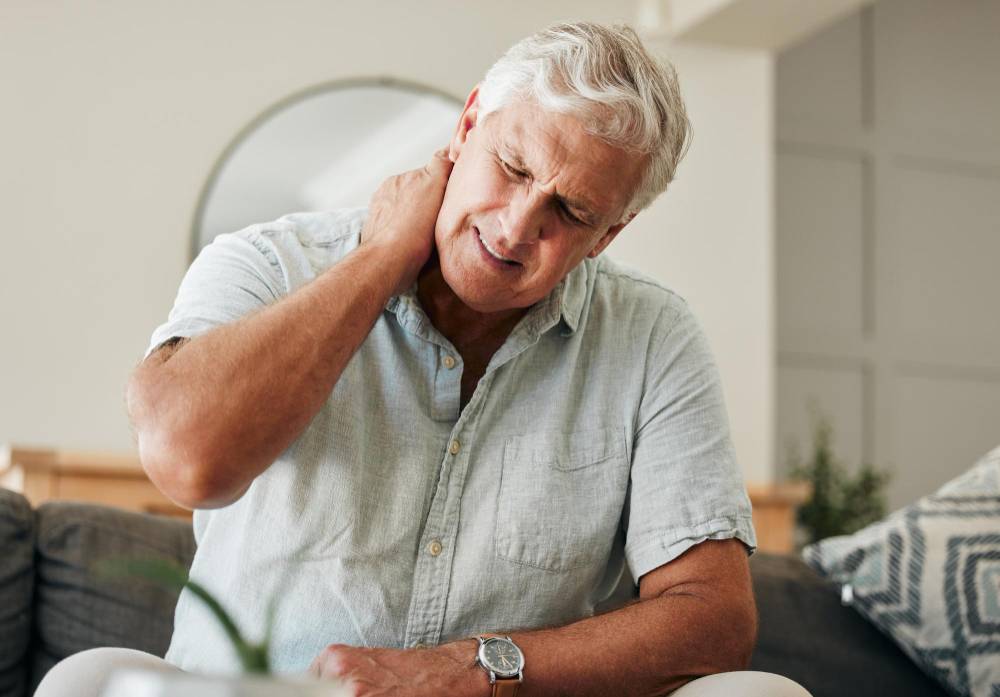
The heart shares nerve pathways with other parts of the upper body, and the brain doesn't always sort out where the signal originated. When cardiac tissue becomes starved of oxygen, it fires distress signals through the same spinal nerves that carry sensation from the jaw, neck, shoulders, and arms. The brain interprets those signals as pain coming from the surface areas it recognizes, not from the heart.
It's how the nervous system is wired. Several major organs refer pain this way, and the heart is one of the most clinically significant examples because the referred locations sit far enough from the chest that patients usually attribute the discomfort to something unrelated, such as a sore tooth, a stiff neck from sleeping wrong, or a muscle they pulled at the gym.
This pattern is familiar to a cardiologist. Patients arrive describing jaw pain they assumed was a dental problem, or a left arm that seemed heavy for an hour before they considered a cardiac cause. The referral pattern doesn't mean the pain is mild. It means the brain is routing the signal through familiar territory, and recognizing that mechanism can prompt someone to act sooner.
Cardiac jaw pain normally settles in the lower jaw and can extend toward the ears or throat. Patients describe it as a dull ache, pressure, or tightening rather than a sharp, localized throb. It doesn't correspond to a specific tooth, and pressing on the jaw or moving the mouth doesn't change the intensity the way dental pain typically would.

Stress is something most people accept as a normal part…

Heart disease has a reputation for announcing itself dramatically, but…

Feeling your heart skip, flutter, or race out of nowhere…
Jaw discomfort that’s tied to a cardiac event can appear during physical exertion or emotional stress and fade when the person rests. It can accompany chest pressure, shortness of breath, or sweating, but it can also appear alone. When jaw pain appears without a dental or muscular cause and accompanies any sense of illness or fatigue, the combination warrants a call to a heart doctor.
Men and women both experience jaw pain as a cardiac symptom, though women report it at higher rates than men. Anyone who develops unexplained jaw discomfort paired with nausea, lightheadedness, or chest tightness should treat it as a potential cardiac warning and call 911 rather than wait for a follow-up appointment.
Left arm pain is the most widely recognized referred symptom, but the right arm, both arms, and the shoulders can all be involved, depending on the individual. The classic presentation is a dull heaviness, aching, or numbness that radiates from the shoulder down toward the elbow or wrist. Patients describe it as the arm going weak or feeling like it belongs to someone else.
What separates cardiac arm pain from a muscle or joint issue is how it behaves. A rotator cuff problem hurts more with specific movements and responds to repositioning. Cardiac arm pain tends to be diffuse, doesn't sharpen with pressure or motion, and may come and go in waves alongside chest symptoms. It can arrive before the chest pain or without any chest involvement at all.
A cardiologist in Riverdale, MD evaluating a patient with arm pain will look at the full clinical picture, including how the pain started, what else was happening at the time, and what the electrocardiogram shows. Arm pain alone doesn't confirm a heart attack, but arm pain combined with any of the following needs immediate emergency care:
Waiting is where outcomes worsen. The heart muscle begins to sustain permanent damage within minutes of losing its blood supply, and every hour without treatment increases the area of the heart affected. Calling 911 rather than driving to the hospital allows paramedics to begin an assessment en route and alert the cardiac team before arrival, which compresses the time between the front door and treatment.
Any combination of jaw, neck, or arm discomfort paired with chest pressure, shortness of breath, sweating, or nausea justifies a call. Symptoms don't have to be severe to be serious. A mild but persistent pressure in the chest with a numb left arm is enough. Waiting to see whether symptoms resolve on their own costs time that a heart doctor cannot recover once the patient arrives.
Aspirin can help limit clot formation if taken immediately when a heart attack is suspected, provided the person isn't allergic and can swallow safely. One adult aspirin or four low-dose aspirin, chewed rather than swallowed whole, is the standard guidance while waiting for emergency services. Do not use this as a reason to delay calling 911. Call first, then take aspirin.
If you've experienced any of the symptoms described here and haven't been evaluated, scheduling an appointment with a heart doctor is the right next step. A cardiologist can review your risk factors, order appropriate testing, and identify whether your symptoms point to a cardiac cause. Capitol Cardiology Associates provides comprehensive cardiac care, from initial risk assessment through advanced diagnostic imaging and treatment planning. Call our office to connect with a cardiologist who can give your heart health the attention it deserves.