WE ACCEPT MOST INSURANCE PROVIDERS!

WE ACCEPT MOST INSURANCE PROVIDERS!
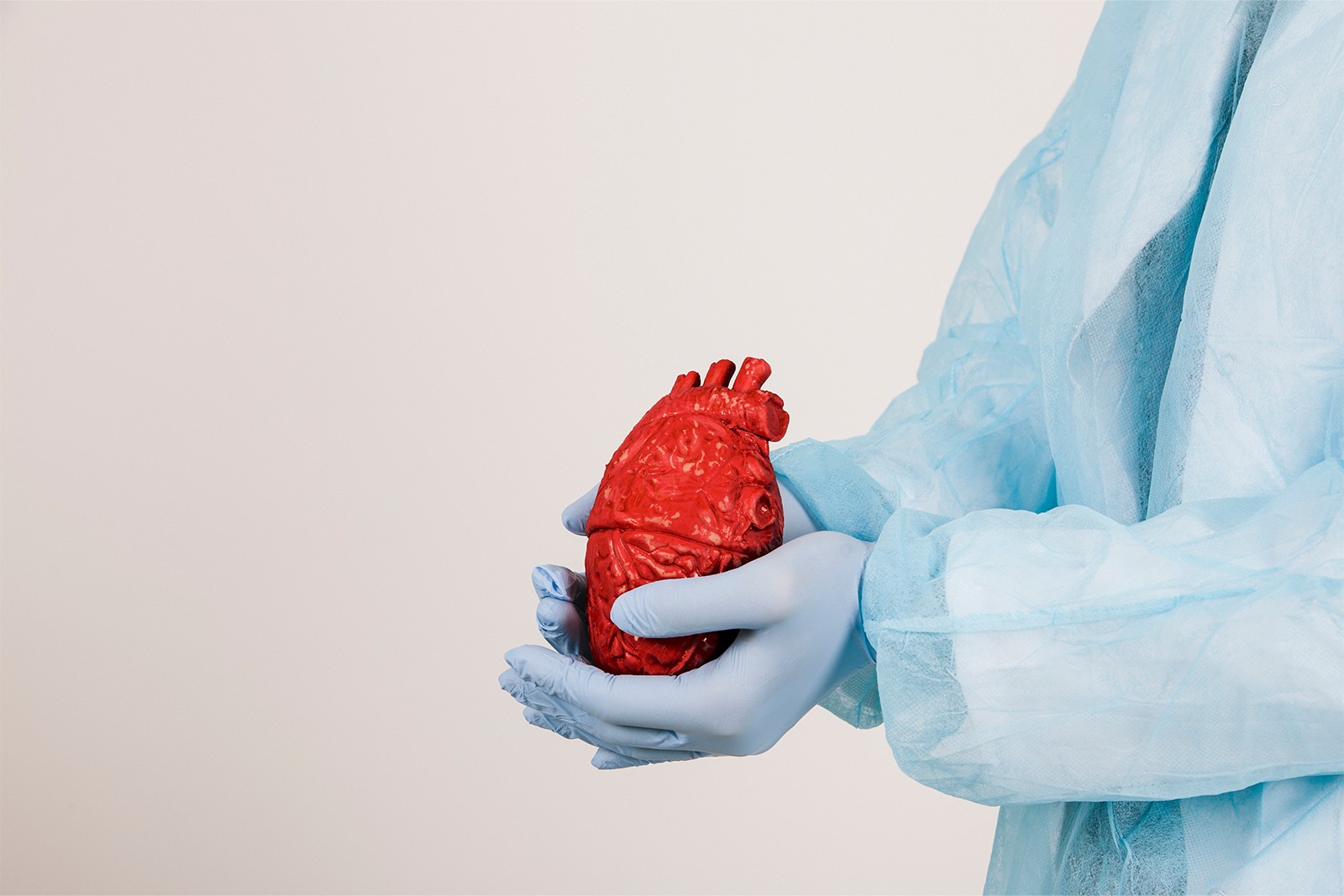

Chest symptoms usually stop people in their tracks. Many patients reach out to Capitol Cardiology Associates wondering whether chest pain or a fast heartbeat is related to stress or a deeper concern. Fatigue adds another layer since it often creeps in over time and feels easy to dismiss. When heart symptoms show up, they usually follow a few common patterns. They can be easy to second guess at first. Keep reading to find out what those signs may be telling you and why getting them checked early matters.

Chest pain is one of the most common reasons people seek heart care. It can come and go, change in intensity, or appear during activity or rest. For some people, it shows up during physical effort, but it can also appear while sitting still or lying down. The heart depends on a supply of blood to work properly. When that supply is reduced, the heart may not get enough oxygen to meet demand, which can lead to discomfort in the chest. Chest pain doesn't always mean there is a blocked artery. Many people experience chest symptoms for reasons that are less severe. Still, chest pain does suggest that the heart may be under stress. Pain that is new, unusual, or keeps returning is worth checking. The body usually shows warning signs early, long before a serious event occurs. Paying attention to chest pain can give providers the chance to evaluate the heart before problems worsen.
Palpitations can feel like a skip or a flutter and can catch you off guard. The heart relies on an electrical system that keeps each beat in line. When that electrical pattern stumbles, the heart jumps in to correct it. Many people ignore palpitations because they pass in seconds. The trouble comes when those episodes come back in clusters. That tells you that your heart is dealing with stress, hormones, or changes tied to age or medication. A cardiologist in Upper Marlboro, MD can sort out those symptoms with simple tests that don’t take long. Palpitations aren't always cause for alarm, but they are a sign that your heart wants some attention. When the rhythm tries to fix itself over and over, you feel the impact in small bursts that cause fatigue and anxiety. Clear answers from a heart doctor helps break the cycle and brings your rhythm back to normal again.
Fatigue is easy to blame on a busy schedule or poor sleep, but heart related fatigue goes beyond feeling tired at the end of the day. Everyday tasks start taking more effort than they should. Walking across a room may leave you short of breath. Carrying groceries can feel like a serious challenge. The heart’s job is to move blood throughout the body. Many people notice these changes slowly and are not sure when they started. Symptoms like fatigue can blend into daily life, especially when routines stay busy and responsibilities continue as usual. Because of this, it's common for people to delay evaluation while trying to manage symptoms on their own. Having a clear conversation with a cardiology team can help put those experiences into context and determine whether further testing is needed. Taking time to review symptoms carefully can make it easier to understand what is happening and decide on next steps.
Shortness of breath may first appear during exercise or while climbing stairs, but it can also show up at night or when lying flat. People usually describe chest tightness or the sense that breathing feels limited rather than sharp pain. These changes can be confusing, especially when they don't follow a clear pattern. Because breathing is involved, attention turns to the lungs first. In many cases, both the heart and lungs are part of the picture. If the heart has trouble pushing blood forward, pressure can build in the lungs and fluid might start to collect. Breathing then becomes harder during everyday activities. Since the lungs are clearly involved, it’s easy to assume the issue starts there rather than with the heart. Looking into it early allows a heart doctor to determine how the heart and lungs are working together.
Most people leave a routine checkup with a…

Heart disease remains the leading cause of death in the…
Chest pain, palpitations, fatigue, and shortness of breath are signs that something may need to be checked. These symptoms usually have an underlying cause, and an evaluation can offer clarity. If you’ve noticed any of these changes, reach out to Capitol Cardiology Associates today and schedule an appointment.