WE ACCEPT MOST INSURANCE PROVIDERS!

WE ACCEPT MOST INSURANCE PROVIDERS!

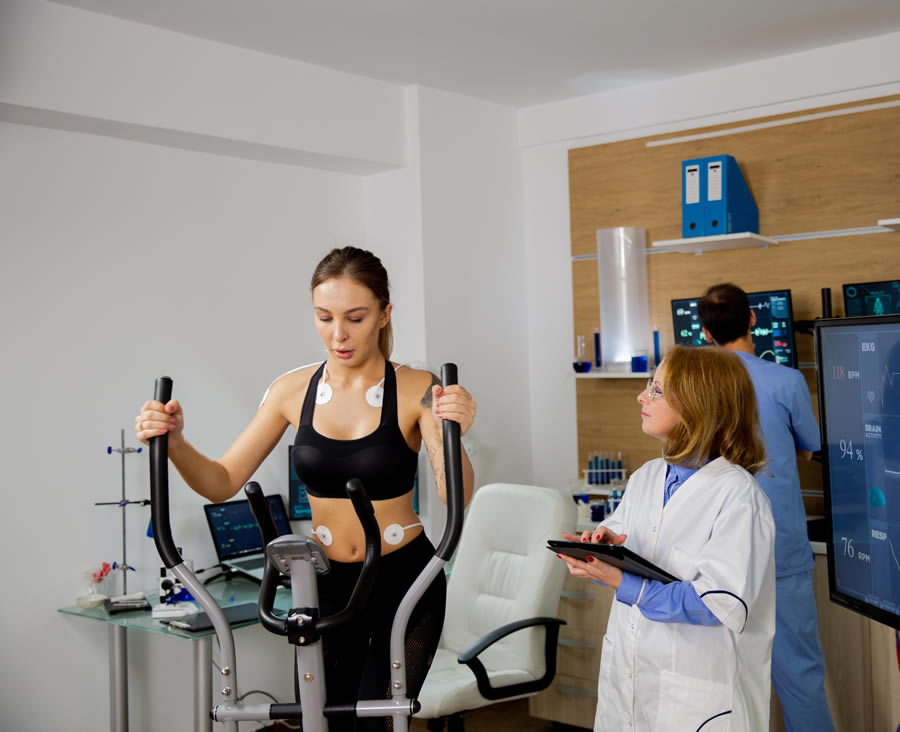
Getting referred to a cardiologist and not knowing what comes next is unsettling for most patients. The tests sound unfamiliar, the reasons aren’t always explained clearly, and the uncertainty makes everything feel more serious than it may be. Capitol Cardiology Associates believes informed patients make better decisions about their own care. Understanding why your cardiologist recommends specific tests takes some of the anxiety out of the process. Keep reading to learn which cardiac tests are most commonly ordered, what each one measures, and how the results shape your treatment plan.

A cardiologist never guesses. Before recommending medication, a procedure, or a monitoring plan, your heart doctor needs objective data about how your heart is functioning right now. Symptoms like chest tightness, shortness of breath, or an irregular heartbeat can point to several conditions, and tests are what separate a vague concern from a confirmed diagnosis.
Diagnostic testing also establishes a baseline. If your heart doctor sees you again in six months, the new results will be compared against the original numbers. The comparison tells the cardiologist whether a condition is stable, improving, or progressing, which drives every decision that follows.
No single test gives the full picture. Cardiologists layer results from multiple sources because the heart is an electrical system, a mechanical pump, and a network of blood vessels all operating simultaneously. Each test interrogates a different part of that system.
An electrocardiogram, called an ECG or EKG, records the electrical signals that trigger each heartbeat. The test takes about ten minutes, involves no radiation, and produces a waveform your cardiologist reads to check for arrhythmias, conduction problems, signs of a previous heart attack, and evidence of chamber enlargement. It's one of the first tests ordered because it's fast, inexpensive, and informative.

Most people leave a routine checkup with a…

Heart disease remains the leading cause of death in the…
Your heart doctor may also recommend a Holter monitor if your symptoms come and go unpredictably. A Holter monitor is a wearable ECG device you use for 24 to 48 hours during your normal daily routine. It captures electrical activity continuously and catches arrhythmias that a standard ten-minute ECG would miss.
Event monitors extend the window to 30 days for patients whose symptoms appear infrequently. The device records only when the patient activates it or when the monitor detects an abnormal rhythm automatically. Cardiologists use these recordings to confirm whether symptoms like palpitations and dizziness are cardiac in origin before pursuing further testing.
The heart behaves differently under physical demand. A stress test pushes the heart to work harder, typically through walking on a treadmill at increasing speeds and inclines, while the cardiologist monitors your ECG, blood pressure, and symptoms in real time. Blockages in coronary arteries may produce no measurable abnormality at rest but become detectable when the heart demands more oxygen than a narrowed vessel can supply.
Patients who can't exercise due to a physical limitation receive a pharmacological stress test instead. Medication elevates the heart rate to simulate exercise while imaging equipment records blood flow through the heart muscle. Nuclear stress tests use a small dose of radioactive tracer to map perfusion and identify areas receiving reduced blood supply. Stress echocardiography combines exercise testing with ultrasound imaging to evaluate changes in wall motion during exertion.
A cardiologist uses stress test results to quantify the severity of suspected coronary artery disease, determine whether a patient needs intervention, and calculate risk before elective surgery.
An echocardiogram uses ultrasound to produce real-time images of the heart in motion. Your cardiologist can see the four chambers, the four valves, the wall thickness, and the pumping function all in a single study. The test identifies structural problems, including valve disease, cardiomyopathy, fluid around the heart, and congenital defects.
The most clinically significant measurement from an echocardiogram is the ejection fraction, which expresses the percentage of blood the left ventricle pumps out with each contraction. A normal ejection fraction sits between 55 and 70 percent. Numbers below 40 percent indicate heart failure with reduced ejection fraction, a finding that carries implications for medication choices and long-term management.
Transesophageal echocardiography provides a clearer view for patients whose chest wall or lung tissue limits the quality of a standard study. A small ultrasound probe passes through the esophagus and is positioned behind the heart. Cardiologists use this to evaluate valve disease in detail, identify clots before cardioversion, and guide certain procedures.
Your cardiologist reviews each finding in the context of your symptoms, medical history, family history, and risk factors before drawing conclusions. A mildly abnormal result in a 35-year-old with no symptoms means something different than the same result in a 68-year-old with diabetes and high blood pressure.
Some test results confirm that no serious problem exists, which is useful information. Others identify a condition that responds well to medication, lifestyle changes, or a minor intervention. A smaller number points to a structural problem or a blockage that requires a more involved procedure.
Follow-up testing is standard for many patients. Conditions like atrial fibrillation, heart failure, and valve disease require repeat imaging at scheduled intervals to track changes and modify treatment. Your heart doctor uses the follow-up results to confirm whether current management is working or if revisions need to be made.
If you've received a referral and want to understand what your evaluation will involve, contact Capitol Cardiology Associates to schedule an appointment. Our cardiologists take time to explain each test, review your results with you, and build a plan based on your specific findings.