WE ACCEPT MOST INSURANCE PROVIDERS!

WE ACCEPT MOST INSURANCE PROVIDERS!
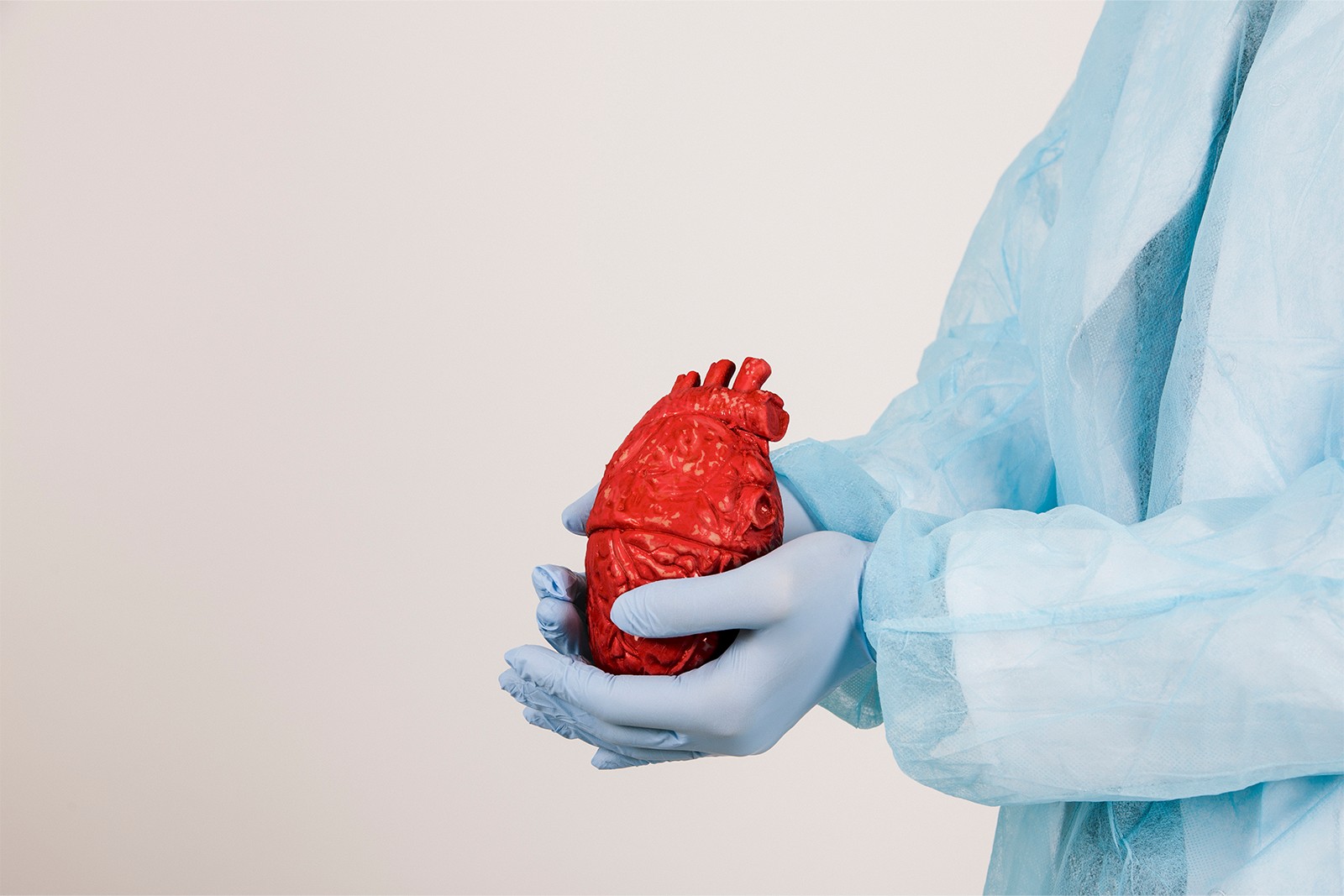

Hearing that you need a cardiac catheterization can bring up a lot of questions about what the test involves, how long it takes, and what your recovery will be like afterward. Capitol Cardiology Associates helps patients understand what to expect before procedures recommended by a cardiologist, including how the care team prepares you and what happens once the catheter is in place. Knowing the basic steps ahead of time makes the experience less confusing and helps you prepare better. Read more for a clear walkthrough of the procedure from check-in through recovery.

There are several things your care team needs to do before cardiac catheterization begins. They'll go over your medical history, medications, allergies, and recent test results with you. You may also have blood work done beforehand. One reason is to check your kidney function since your kidneys help clear the contrast dye used during coronary angiography. Staff will also take your blood pressure, check your heart rate, and measure your oxygen level.
Medication instructions are important because some drugs affect bleeding, blood sugar, or kidney function. Your doctor will tell you which prescriptions to take and which ones to hold. Don't stop a blood thinner, diabetes medication, or another prescribed drug on your own. The instructions depend on the procedure and your medical history.
You will usually change into a hospital gown and have an IV placed in your arm or hand. The IV provides fluids and medications. Cardiac catheterization generally uses local anesthetic at the catheter insertion site along with medication that helps you relax. General anesthesia isn't routinely required for a standard diagnostic catheterization.
Before the procedure starts, the staff cleans and prepares the access site. The catheter usually enters through an artery in the wrist or groin. Your heart doctor chooses an access point based on your anatomy, medical history, the planned procedure, and other clinical factors.

Heart testing can sound intimidating when you’re already worried about…

Feeling a strong pulse near your navel or developing unexplained…

You can leave a doctor’s appointment with a perfectly normal…
The word "catheter" can make the procedure seem more invasive than it is. Your cardiologist doesn't have to make an incision in your chest to reach your heart. A thin tube is placed into a blood vessel instead, then guided through the arterial system toward the heart.
Once the access site is numb, they insert a small sheath into the artery. The sheath provides an entry point for the catheter and other instruments used during the procedure. Fluoroscopy, a form of X-ray imaging, lets the cardiologist in Laurel, MD see where the catheter is as it moves toward the heart.
For coronary angiography, the catheter reaches the area where the coronary arteries branch away from the aorta. These arteries supply oxygen-rich blood to the heart muscle. The catheter doesn't need to travel directly through each coronary artery for the cardiologist to examine them. Its tip is positioned near the opening of an artery so contrast material enters the vessel during imaging.
Most people don't sense the catheter as it moves through the artery. The inside of a blood vessel doesn't have the same kind of sensory nerves as your skin. You may notice some pressure at the wrist or groin as the sheath goes in, but local anesthetic is used to make that part more comfortable.
Blood vessels don't appear clearly enough on ordinary X-rays to show exactly where a coronary artery narrows. Contrast dye solves that problem.
When the dye enters the coronary arteries, it blocks X-rays differently from the surrounding tissue. This creates a visible outline of the artery on the fluoroscopy screen. The cardiologist watches the contrast move through the vessels and records images from several angles.
A narrowing becomes visible because the column of contrast appears thinner at that location. A severe blockage might allow only a narrow stream through the artery. If an artery is completely blocked, the contrast might stop before reaching the vessel beyond the obstruction. These images give the care team information that a routine physical examination can't provide.
Coronary angiography gives your heart doctor a direct view of blood flow through the coronary arteries. The images show where an artery has narrowed, how extensive the narrowing appears, and how blood moves beyond that location.
This information helps determine what should happen next. A mild narrowing might not require an intervention during the catheterization. Treatment could instead focus on medication and management of cardiovascular risk factors. More serious obstruction sometimes leads to additional treatment.
In some situations, the cardiologist proceeds with angioplasty or placement of a stent during the same catheterization. A small balloon expands at the narrowed portion of the artery. A stent then supports the artery from inside the vessel. Diagnostic catheterization and treatment aren't always performed together, so patients should ask beforehand what procedures have been authorized and what circumstances would lead to an intervention.
Cardiac catheterization isn't limited to finding coronary artery disease. A cardiologist can use the procedure for several other reasons depending on what needs to be investigated. That could include measuring pressure inside different chambers of the heart, checking blood flow, collecting blood samples, or looking more closely at valve function. Your medical team will tailor the procedure to the specific information they need.
After the catheter and sheath come out, the staff focuses on keeping the access site from bleeding. Because the catheter entered an artery, the small puncture has to close securely before you can leave.
Nurses will keep a close eye on you during this part of recovery. They'll check your pulse, blood pressure, heart rhythm, and the area where the catheter was inserted. They'll also look for bleeding, swelling, bruising, circulation problems, chest discomfort, or anything else that needs attention. Fluids can help clear the contrast dye from your body, but people with certain heart or kidney conditions may receive different instructions about how much to drink.
Before discharge, ask your care team exactly when you can remove the dressing, shower, drive, work, exercise, and lift heavier objects. Restrictions aren't identical for every patient.
A successful discharge depends partly on knowing what is normal after the procedure and what requires medical attention. Mild soreness or a small amount of bruising near the catheter site isn't unusual. Expanding swelling, persistent bleeding, severe pain, chest pain, trouble breathing, fainting, or a hand or leg that becomes unusually cold or discolored requires prompt medical evaluation. Before leaving, make sure you know the answers to a few important questions:
If your cardiologist has recommended cardiac catheterization or you have questions about testing for coronary artery disease, contact Capitol Cardiology Associates to discuss your next steps. Our team focuses on clear communication and individualized cardiac care so you understand the purpose of your testing and what comes afterward.