WE ACCEPT MOST INSURANCE PROVIDERS!

WE ACCEPT MOST INSURANCE PROVIDERS!
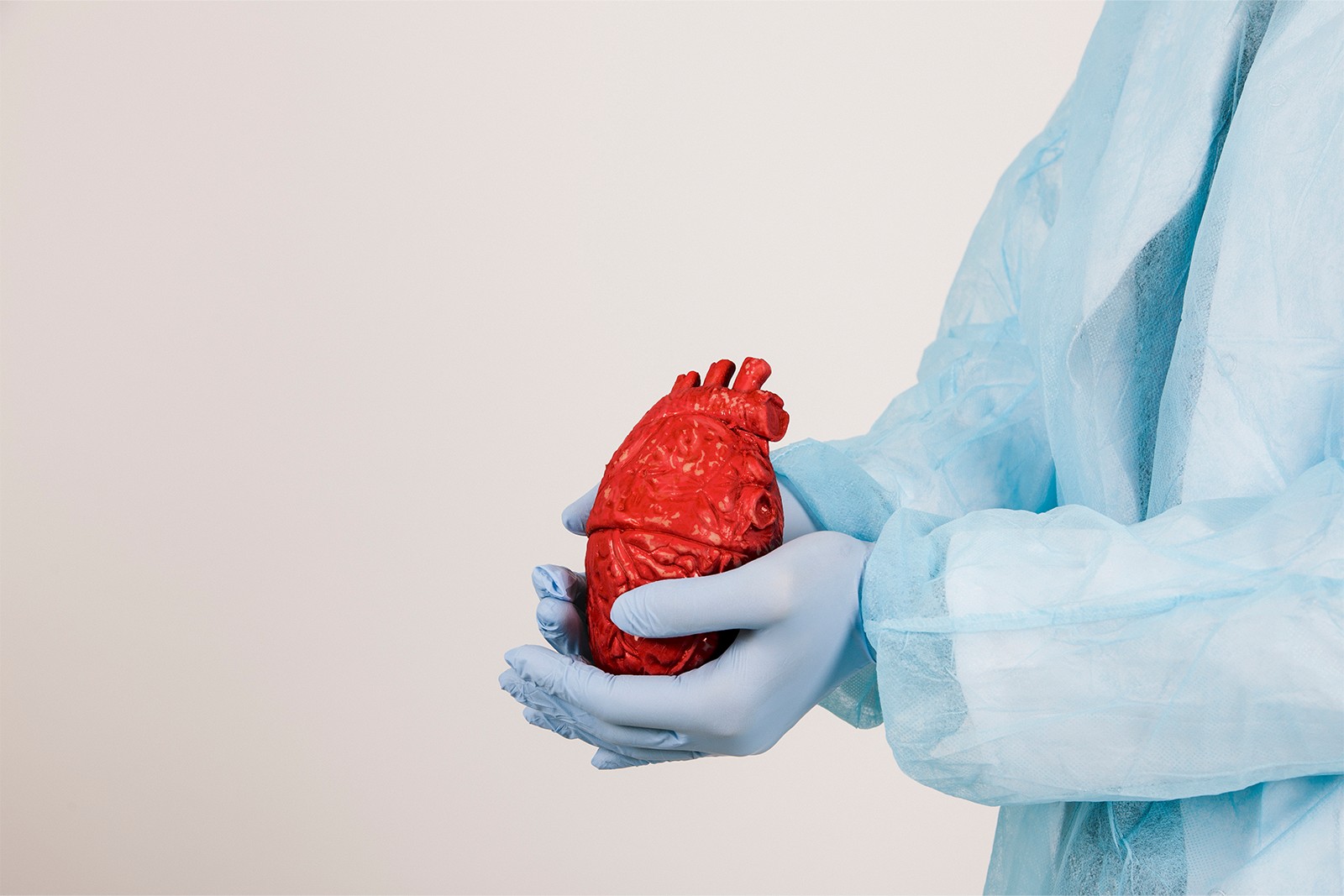

Heart disease in your family can raise some uncomfortable questions about your own health. If a parent or sibling developed heart problems, you may have a higher risk yourself. Talking with a cardiologist can help you get a clearer sense of where you stand. At Capitol Cardiology Associates, we work with patients who want to understand their heart health and take precautions before problems develop. Below, we discuss what your family history can tell you, what you can do to lower your risk, and when it's time to have your heart checked.

Your genes influence several processes that determine how well your cardiovascular system functions. They affect how your body processes cholesterol, regulates blood pressure, and maintains the structure of your heart muscle. Some inherited differences increase the likelihood of developing heart disease even when you maintain healthy habits. Others become more significant when combined with smoking, diabetes, high cholesterol, or excess body weight.
One of the first things your doctor will want to know is how old your relatives were when they developed heart disease. For example, coronary artery disease diagnosed before age 55 in a father or brother, or before age 65 in a mother or sister, can point to a greater risk of early heart problems. Doctors also pay attention to how many relatives have been affected and whether the condition appears across several generations. Having a grandparent diagnosed at 85 isn't quite the same as having a parent suffer a heart attack at 42.
Coronary artery disease develops when fatty deposits accumulate within the arteries that supply blood to the heart muscle. Heart failure describes a condition in which the heart cannot pump or fill effectively enough to meet the body's needs. Certain abnormal heart rhythms and diseases affecting the heart muscle have stronger inherited components than others. Knowing the specific diagnosis helps your heart doctor determine which risks deserve further investigation.
Some cardiovascular conditions result from identifiable genetic changes. Familial hypercholesterolemia, or FH, is an important example. This inherited disorder interferes with the body's ability to clear low-density lipoprotein cholesterol from the bloodstream. People with FH can have extremely high LDL cholesterol concentrations beginning in childhood, which accelerates plaque accumulation inside their arteries.

Learning that an artery supplying blood to your brain has…

Chest discomfort that comes and goes can be difficult to…

A racing heartbeat or an unexpected flutter in your chest…
If an adult has an untreated LDL cholesterol level of 190 mg/dL or higher, their doctor may want to check for FH, especially if heart attacks occurred at young ages in the family. Healthy eating and regular exercise still help, but people with inherited cholesterol disorders usually need medication to bring their LDL down to safer levels. An FH diagnosis can also alert relatives who may need testing before they develop heart problems.
Doctors take these conditions especially seriously when someone in the family has fainted without an obvious cause or died suddenly, particularly during exercise. A person may have very few warning signs before a serious heart problem occurs. Depending on the family's medical history, a doctor may suggest an electrocardiogram, echocardiogram, heart rhythm monitoring, or genetic testing for close relatives.
When gathering your family medical history, start with your parents, siblings, children, and grandparents, along with any aunts or uncles who've had heart problems. Try to find out what condition each person had, how old they were when diagnosed, and what treatment they received. These details can help your cardiologist in Beltsville understand whether inherited conditions or other cardiovascular risk factors may be involved. As you talk with relatives, here are a few things to ask about:
Inherited susceptibility doesn't prevent you from reducing other cardiovascular risks. Your daily habits affect the condition of your blood vessels, the amount of cholesterol circulating in your bloodstream, and the workload placed on your heart.
The foods you eat regularly have a lot to do with your cholesterol and blood pressure. Watch out for saturated fat in foods like butter, fatty cuts of meat, and certain processed products. Eating too much of it can push LDL cholesterol higher. Olive oil, nuts, and fish are good alternatives because they contain unsaturated fats. Adding more oats, beans, and lentils can help, too. Their soluble fiber reduces how much cholesterol your body absorbs.
Walking around your neighborhood, riding a bicycle, or swimming a few times a week can all help lower blood pressure and improve how your body uses oxygen and responds to insulin. For most adults, the American Heart Association recommends at least 150 minutes of moderate aerobic exercise each week, plus some muscle-strengthening activities. Precautions should be taken for people with inherited heart muscle conditions, though. Certain exercises may not be safe, so it's best to ask your heart doctor what activities and intensity levels are appropriate for you.
Smoking puts additional strain on your cardiovascular system. It damages the inner lining of your blood vessels, contributes to inflammation, and increases the risk of dangerous blood clots. Nicotine also increases your heart rate and blood pressure. Quitting can lower your risk of heart disease, even when it runs in your family.
Your sleep habits and alcohol intake are worth looking at, too. Poor sleep has been linked to high blood pressure and problems with metabolism. Drinking too much alcohol can raise blood pressure and contribute to certain irregular heart rhythms.
Blood pressure, cholesterol, and blood sugar tests can reveal problems before you notice any symptoms. High blood pressure strains your heart, while excess LDL cholesterol can cause plaque to build up in your arteries. High blood sugar can also damage blood vessels and contribute to atherosclerosis. Regular testing helps catch these risks early. A cardiologist might recommend:
A qualified heart doctor can also help determine when screening should begin and whether repeat testing is appropriate.
If heart disease runs in your family, especially if a parent or sibling was diagnosed at a young age, consider having your heart health checked. High cholesterol or blood pressure is another good reason to make an appointment. At Capitol Cardiology Associates, our cardiologists can review your family history, recommend appropriate screenings, and help you manage your cardiovascular risk. Contact us today to schedule an appointment.