WE ACCEPT MOST INSURANCE PROVIDERS!

WE ACCEPT MOST INSURANCE PROVIDERS!
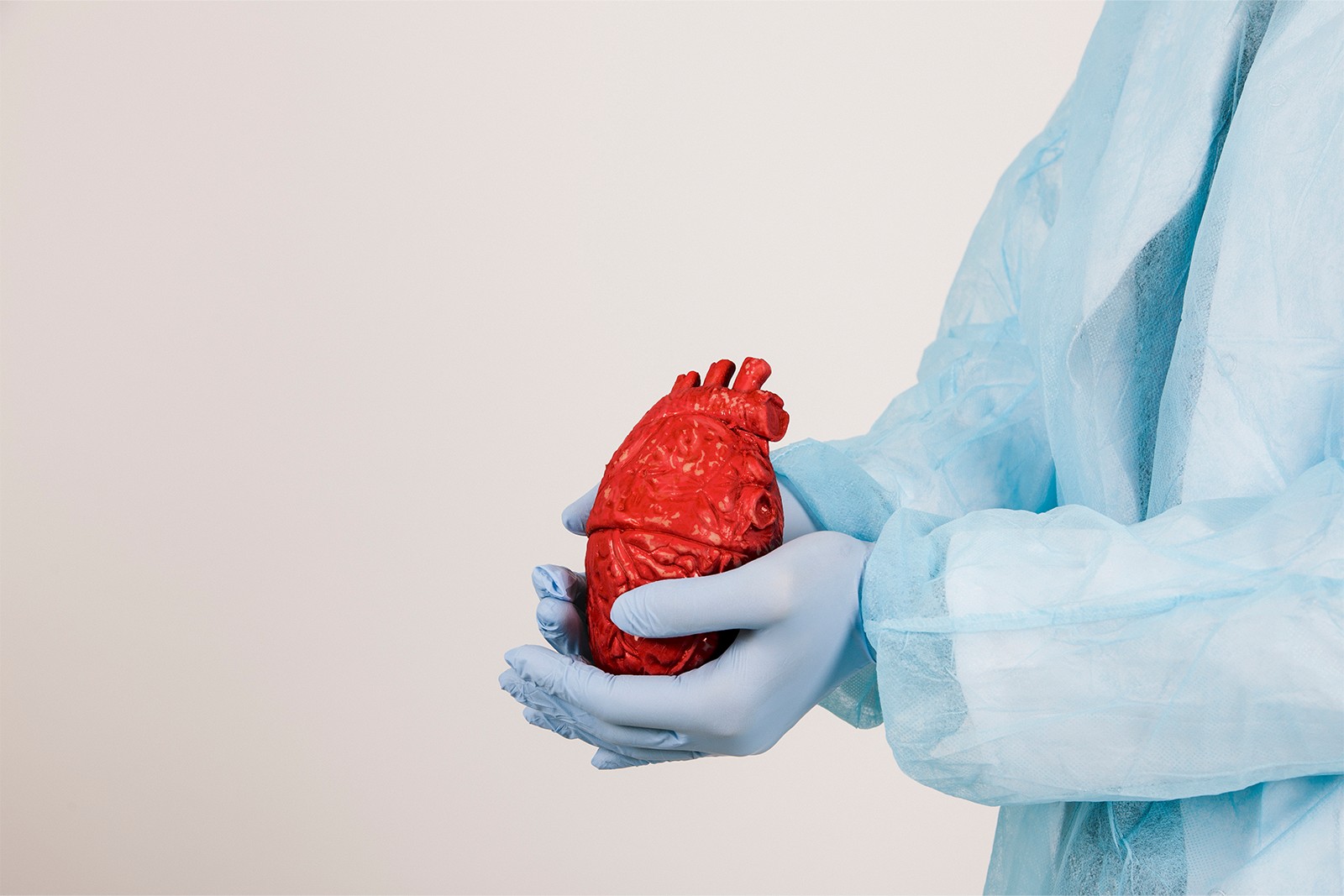

Chest discomfort that comes and goes can be difficult to explain, especially when it happens during exercise or stressful situations. If your initial examination doesn't reveal the cause, your cardiologist may recommend additional testing. Capitol Cardiology Associates uses advanced diagnostic tools, including cardiac PET imaging, to investigate possible heart-related causes of chest pain. A cardiac PET scan measures blood flow to the heart muscle and can help identify circulation problems that need attention. We'll explain what happens during the test, what your doctor can learn from the results, and how the findings might affect your treatment.

If you feel pressure in your chest while walking and it goes away when you rest, tell your doctor. Reduced blood flow to the heart can cause discomfort, although the pain may also spread to your jaw, back, or shoulders. Some people notice a burning sensation or heaviness, and others become unusually tired or short of breath. These symptoms may be signs of angina and need medical evaluation right away.
An electrocardiogram records the heart's electrical activity during the examination. Your heart doctor will also ask about your symptoms, medications, medical history, and cardiovascular risk factors. An EKG taken while you're resting may look normal even when narrowed coronary arteries are causing problems during exercise. Additional testing may be needed to investigate what happens when blood flow through the heart needs to increase.
Your doctor will want to know when the chest discomfort happens and what seems to make it better or worse. A burning sensation after eating could be related to acid reflux. Pain when you twist or press on your chest might come from a muscle or joint, and certain lung problems can cause similar symptoms. Your cardiologist will also ask how long each episode lasts and what you were doing when it started.
When coronary artery disease is a concern, cardiac PET imaging can examine circulation through the heart muscle. Doctors may use it after inconclusive testing or when more detailed blood-flow information is needed. Sudden, severe, persistent, or otherwise concerning chest discomfort is an emergency concern, however. Chest pain accompanied by sweating, fainting, or difficulty breathing needs immediate emergency evaluation. Don't wait for an outpatient appointment if you think you may be having a heart attack.

Learning that an artery supplying blood to your brain has…

A racing heartbeat or an unexpected flutter in your chest…

Heart disease in your family can raise some uncomfortable questions…
Cardiac positron emission tomography is a nuclear imaging test that tracks blood flow through the heart muscle. A small amount of radioactive tracer is delivered through an IV. As it circulates, the tracer produces signals that the scanner records. These measurements are processed into images showing how much blood reaches different areas of the heart. Doctors can examine the distribution of the tracer to look for regions with reduced circulation.
Most cardiac PET perfusion examinations compare circulation while at rest and during stress. Instead of requiring patients to run on a treadmill, the test generally uses medication to increase blood flow in a way that resembles the cardiovascular effects of exercise. A cardiologist then compares the images to determine if any areas receive less blood when the heart's demand or circulation increases.
Consider an artery that supplies enough blood to meet the heart's needs at rest but can’t increase its supply adequately during stress. PET images may show normal tracer uptake in the resting scan and a noticeable reduction in the same area during the stress scan. Doctors call this reversible ischemia. Its location and extent help the cardiologist assess the significance of restricted coronary blood flow.
Cardiac PET can also produce numerical measurements of myocardial blood flow and myocardial flow reserve, which describe how much circulation increases from rest to stress. These measurements help a heart doctor in Camp Springs recognize reduced flow across several coronary territories or problems affecting the heart's smaller blood vessels. Such abnormalities may be harder to identify by looking for a single poorly supplied region. PET also offers quantitative capabilities and imaging advantages over some conventional nuclear stress tests.
Knowing what happens during a cardiac PET scan helps patients prepare for their appointment. Before the examination, the care team provides instructions about eating, drinking, medications, and other preparations. Patients are commonly asked to avoid caffeine for a specified period because it interferes with certain medications used during stress testing. Coffee, tea, energy drinks, chocolate, and some medications contain caffeine, so following the preparation instructions closely is important for accurate results.
At the appointment, a technician reviews your information and places monitors to record your heart rhythm and blood pressure. You'll lie on a padded scanning table with an IV in place for the tracer and stress medication. The scanner has a relatively short opening, although you'll still need to remain still while each set of images is taken. Staff will be monitoring you throughout the procedure.
The stress medication is given through your IV while you're lying on the scanning table. You may notice warmth in your face, a headache, or a brief sensation of breathlessness or chest pressure. These are recognized effects of certain stress medications and usually subside soon after administration ends. The clinical staff will be watching your heart rhythm, blood pressure, and symptoms, with medication available to relieve troublesome reactions when necessary. Time for preparation and recovery is included in the appointment.
You can generally return to your usual routine afterward unless the medical team gives you specific restrictions. The images still need to be reviewed by a qualified physician, so you may not receive the results before leaving. Your cardiologist will interpret the blood-flow findings alongside your symptoms and previous examinations. A scan showing reduced circulation provides important evidence, but the cause and appropriate treatment depend on the rest of your medical evaluation.
A scan showing adequate blood flow at rest and during stress makes a flow-limiting coronary blockage less likely. If chest discomfort persists, your heart doctor will consider other possible causes. Problems with heart rhythm or structure, digestive conditions, and disorders involving the lungs or chest wall may require different examinations.
If the results point to coronary artery disease, your cardiologist may recommend a coronary CT angiogram or a procedure that uses a catheter to examine the arteries. Some patients with serious blockages may need a stent or bypass surgery. Your doctor will consider where the arteries are narrowed, how much blood flow is affected, and if a procedure is likely to improve your symptoms or reduce your risk of future heart problems.
The findings also give your heart doctor a starting point for future care. If coronary disease is present, treatment may include changes to cholesterol management, smoking, diabetes control, or physical activity. At follow-up visits, your cardiologist in Hyattsville can compare current symptoms with what you were experiencing before treatment and review whether medications are helping. Blood-flow measurements from the scan may also contribute to decisions about how closely your cardiovascular condition needs to be monitored.
Chest discomfort that keeps coming back during physical activity should be checked, even if it goes away when you rest. A cardiac PET scan can help your cardiologist determine if reduced blood flow to the heart muscle is causing your symptoms. Capitol Cardiology Associates evaluates patients with possible heart problems and recommends testing based on their symptoms and medical history. Contact our team today to schedule an appointment with a cardiologist if you've been having recurring chest discomfort. If your chest pain is new, severe, or accompanied by symptoms such as shortness of breath or fainting, seek emergency medical care.